

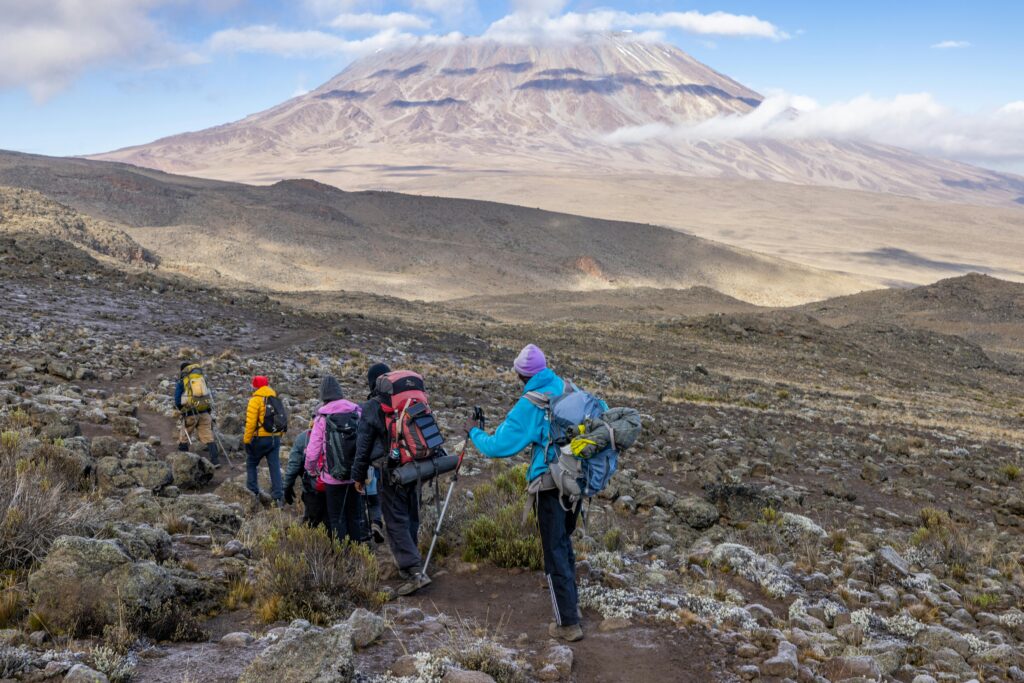
Climbing Mount Kilimanjaro is a once-in-a-lifetime adventure, but packing the right gear can make the difference between reaching the summit and turning back early. For travelers coming from Europe, adapting to high-altitude conditions can be challenging, which is why proper preparation is essential. This guide will help you pack smart and stay comfortable throughout your climb.
Why Packing Right is So Important
Mount Kilimanjaro rises to 5,895 meters above sea level, and the climate changes dramatically as you ascend. At the base, temperatures can reach around +25°C, while at the summit they can drop to -15°C or even lower. This means you’ll experience multiple climate zones in a single trek, making it crucial to be prepared for both warm and extremely cold conditions.
Clothing: Layering is Key
The most effective way to stay comfortable on the mountain is by using a layering system. A good base layer made of moisture-wicking thermal tops and leggings helps keep sweat away from your body and maintains warmth. On top of that, a mid-layer such as a fleece jacket or insulated jacket provides essential warmth during colder sections of the climb. Finally, an outer layer consisting of a waterproof jacket and trousers protects you from wind, rain, and snow, ensuring you stay dry in unpredictable weather conditions.
Essential Accessories
Accessories may seem small, but they play a big role in your comfort and safety. A warm hat or beanie helps retain body heat, while a buff or neck gaiter protects against wind and dust. Sunglasses with UV protection are essential due to strong sunlight at high altitudes. A headlamp with extra batteries is critical for summit night, and a good pair of gloves—both inner liners and insulated outer gloves—will keep your hands warm in freezing temperatures.
Footwear Matters
Your choice of footwear can make or break your climb. Waterproof hiking boots that are already well broken-in are essential to prevent blisters and discomfort. You should also bring several pairs of quality hiking socks to keep your feet dry and warm throughout the trek. Gaiters are optional but can be useful for keeping dust, mud, or snow out of your boots, especially during certain routes or weather conditions.
Sleeping Gear
A good night’s sleep is vital for recovery on the mountain. A high-quality four-season sleeping bag rated between -10°C and -15°C is recommended, along with a sleeping bag liner for extra warmth and hygiene. Temperatures can drop significantly at higher camps, so having proper sleeping gear is essential for maintaining energy levels.
Bags and Packing Strategy
You’ll need two main bags for your climb: a duffel bag and a daypack. The duffel bag is carried by porters and contains most of your gear, while your daypack should be lightweight (20–30 liters) and carry daily essentials such as water, snacks, and extra layers. Keeping your daypack organized and manageable will make your daily hikes more comfortable.
Hydration and Nutrition
Staying hydrated is critical at high altitude, so you should carry enough water to drink regularly throughout the day—typically 2 to 3 liters. Hydration bladders are optional but convenient. Energy snacks such as nuts, chocolate, and energy bars are also important for maintaining stamina during long trekking days and especially during the summit push.
Health and Safety Essentials
Sun protection is crucial on Mount Kilimanjaro, so bring high-SPF sunscreen and lip balm. Personal medication, a basic first aid kit, wet wipes, and hand sanitizer will help you stay healthy and comfortable throughout the climb. These small items can make a big difference, especially in remote mountain conditions.
Electronics and Power
While you won’t need many electronics, a phone or camera is great for capturing the experience. A reliable power bank is essential, as there are no charging points on the mountain. Don’t forget a suitable travel adapter for Tanzania if you plan to charge devices before or after your trek.
What Not to Bring
Overpacking is one of the most common mistakes climbers make. Avoid bringing heavy suitcases, excessive clothing, or unnecessary electronics. Porters carry your main bag, but there are strict weight limits, so it’s important to pack only what you truly need and keep your gear as light as possible.
Renting Gear in Tanzania
If you prefer not to travel with bulky equipment, you’ll be glad to know that many items can be rented locally in Tanzania. This includes jackets, sleeping bags, and trekking poles, making it easier for European travelers to pack lighter and still have access to high-quality gear.
Pro Tips for European Travelers
Preparing in advance can significantly improve your experience. Training in colder weather before your trip can help your body adapt, and breaking in your hiking boots at home is essential to avoid discomfort. Packing smart rather than heavy is key, and trusting your guides is equally important—they have extensive experience on Mount Kilimanjaro and understand how to ensure a safe and successful climb.
Final Thoughts
A successful Kilimanjaro climb starts long before you arrive—it begins with proper preparation and smart packing. With the right gear, you’ll stay warm, comfortable, and focused on reaching the summit of Mount Kilimanjaro, making your adventure truly unforgettable.
Climb Kilimanjaro with Experts
At Tupae Adventures, we provide professional mountain guides, quality equipment, and safe, well-organized climbs tailored to your needs. Contact us today to start planning your Kilimanjaro adventure and take the first step toward the roof of Africa.